
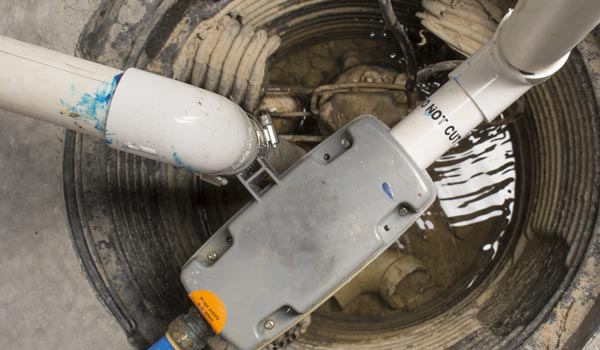
How to Install a Backup Sump Pump
If you’re wondering how to install a backup sump pump, you’re probably thinking ahead — and that’s smart. A backup sump pump protects your basement when your main pump fails, especially during heavy rain or power outages. At Family Rooter Sewer & Drain, our technicians in Round Lake, IL, have helped homeowners avoid costly water damage by properly installing reliable backup systems. Here’s what you need to know to keep your basement dry and your foundation safe.
Key Takeaways
- Backup Sump Pump: A backup sump pump is necessary for when the primary one stops working (power failure) or breaks.
- Opt for battery-powered or water-powered backup systems depending on the type of setup in your home.
- Correct installation means to install the pump in accordance with, secure a power system for, and test the operation of the pump.
- Even if DIY installation pans out perfectly, it’s just not worth the risk when you can hire a pro to get the job done properly.
Family Rooter Sewer & Drain in Round Lake, IL specializes in professional backup sump pump installation with satisfaction guaranteed.

Reasons You Need a Backup Sump Pump
Here’s the deal: a primary sump pump is only effective if it has power and is functioning. When the electricity fails — or the motor does — your basement can flood in hours. An overflow system engages automatically, preventing water from entering until the primary pump is restored.
If you’ve ever spotted standing water near a sump pit after a storm, then you probably already know how quickly things can get problematic. This happens frequently to homeowners in Round Lake, with the water table so high, and when heavy rains hit. By adding a backup sump pump, you can sleep well at night knowing your finished basement, hardwood flooring, and personal possessions are protected from flooding during emergencies.
Types of Backup Sump Pumps
Before reading about the installation of a backup sump pump, you need to know which type suits your home.
Battery-Powered Backup Pump
This is the most common type. It works on a deep-cycle marine battery and starts as soon as the main pump has failed. These are inexpensive and well-run systems for homes.
Water-Powered Backup Pump
This model relies on your home’s water pressure to pump water from the sump pit. It has no reliance on electricity or batteries, but only works if your water supply is still going.
Combination System
It has primary and backup pumps built into a single unit. It’s a good option for homeowners who seek an all-in-one system and don’t want two separate installations to worry about.
Tools and Materials You’ll Need
If you plan to install one yourself, here’s what is usually involved:
- Install backup sump pump (either water-powered or battery-operated)
- Check valve
- PVC pipe and fittings
- Wrench and pipe cutter
- Teflon tape
- Battery box and charger (for a battery-powered model)
- Silicone sealant
However, a trained installer from Family Rooter Sewer & Drain already has every tool, the experience, and the expertise to make everything work correctly on your pipes so they are set up right the first time.
How to Install a Backup Sump Pump: A Step-by-Step Guide
Let’s cut to the chase. Here’s what the right process looks like:
Look, Measure, and Inspect Your Sump Pit
Make sure your pit is clean and large enough for a second pump to fit. Also, look for anything that may clog the float switch.
Position the Backup Pump
Set the back-up pump a bit higher than the first (primary) one. This means it only kicks in when the primary pump does not work or can’t manage heavy water flow.
Connect the Discharge Line
Connect the discharge pipe to the backup’s own outflow with PVC fittings and Teflon tape. Next, put in a check valve to stop water from re-entering the pit.
Power (or Water) Installation
For pumping units, connect the pump to its own battery system. Store the battery in a dry, raised place and attach the charger. For water-operated devices, connect to your home’s water line with acceptable fittings.
Test the System
Fill the pit with water until the float rises. The spare pump shall automatically commence operation. If not, verify wiring and float switch positions.
Inspect for Leaks
Look for drips or backward flow at the fittings. Seal all connections with silicone if required.
Common Mistakes to Avoid
Even small mistakes can result in a flooded basement. In this list below, you’ll find installation errors that we encounter time and again at Family Rooter Sewer & Drain:
Why do both faucets run, even when the appliance isn’t on? Behind the Washing Machine: Spacing overpower (this results in tandem operation for nothing).
- Omitting a check valve (which results in backflow into the pit)
- We use a pipe size that is too small (low efficiency for pumping).
- Neglect of battery care (related to failure during outages).
If you’re not confident about wiring or plumbing connections, don’t risk a leak. Call a professional instead. It’s quicker, safer, and you get warranty-backed peace of mind.
Benefits of Professional Installation
It is definitely within the realm of possibility to teach yourself how to install a backup sump pump; however, hiring professionals has its extreme perks:
- Proper Installation: A Pump professional correctly sets up the pump, check valve, and discharge lines.
- Code Compliance: Plumbers who are licensed to act with the local plumbing codes in Round Lake, IL.
- System “Testing”: They’ll make sure everything is functioning properly before leaving your property.
- Warranty: Most manufacturers will void the warranty if not installed by a certified AC technician.
We keep it simple at Family Rooter Sewer & Drain – our professional staff provides same-day service, upfront rates, and 24-hour emergency availability. Whether you need an installation or just routine maintenance, we ensure year-round sump system operation.
How To Keep Your Backup Pump In Good Shape
- Routine checks are an absolute necessity, even for the best backup sump pump, if you want it to be ready when you need it.
- Test it every 3 months by pouring water into the hole.
- Maintain the battery and replace it every 3–5 years.
- To keep the pit clean, it will have to be cleaned of debris regularly.
- Check the float switch for any sign of movement.
- Book an appointment for an annual inspection with a licensed plumber.
- Routine maintenance is easy, yet it can save you thousands in water damage repairs down the road.

When to Call the Professionals
Should you hear strange sounds, slow drainage, or the pump running constantly, these are early warnings of such trouble. Don’t ignore them. Call Family Rooter Sewer & Drain immediately. Our crew will be able to determine if your backup sump pump needs repair, replacement, or installation.
We’re proud to serve homeowners in Round Lake, IL, and the surrounding areas, providing timely service and accurate quotes for high-quality solutions to all of your plumbing and drain needs.
Conclusion
Putting in a backup sump pump is one of the smartest ways to ensure your home is protected if it’s installed right. Though having an understanding of how to install a backup sump pump gives you a broad understanding, relying on the professionals at Family Rooter Sewer & Drain ensures that your system does its job when you need it most. Contact Family Rooter Sewer & Drain for professional installation of a sump pump in Round Lake, IL.
Frequently Asked Questions
1. What’s the difference between a primary and backup sump pump?
The primary sump pump runs on electricity and handles everyday drainage. The backup activates when the main pump fails or loses power.
2. How long does a battery backup sump pump last?
A fully charged battery can run for about 6–8 hours continuously or up to two days intermittently, depending on water flow.
3. Can I install a backup sump pump myself?
Yes, but professional installation is recommended to ensure proper setup, testing, and warranty protection.
4. How often should I test my backup sump pump?
Test it at least once every three months and before storm seasons.
5. What’s the best type of backup sump pump for my home?
Battery-powered models are most common, but if your area has reliable water pressure and frequent power outages, a water-powered pump might be better.